
Home › Forums › Official Announcements › Verge3D 4.14 pre1 available!
- This topic has 2 replies, 1 voice, and was last updated 31 minutes ago by
 Yuri Kovelenov.
-
AuthorPosts
-
2026-09-24 at 6:00 am #88477
 Yuri KovelenovStaff
We are excited to announce the first preview release of Verge3D 4.14 for public testing! Here is what’s included:
☞ integration with Shopify
☞ reworked demo applications
☞ completed migration to WebGL 2.0
☞ support for new nodes from Blender 5.3
☞ new puzzles to work with RAL colors
☞ upgraded puzzle export to USDZ
☞ updated WordPress pluginCheck it out:
2026-09-24 at 6:01 am #88478Yuri KovelenovStaffShopify Integration
With this update, we enabled Verge3D to work with Shopify, a popular online shop software competing with the already supported WooCommerce.
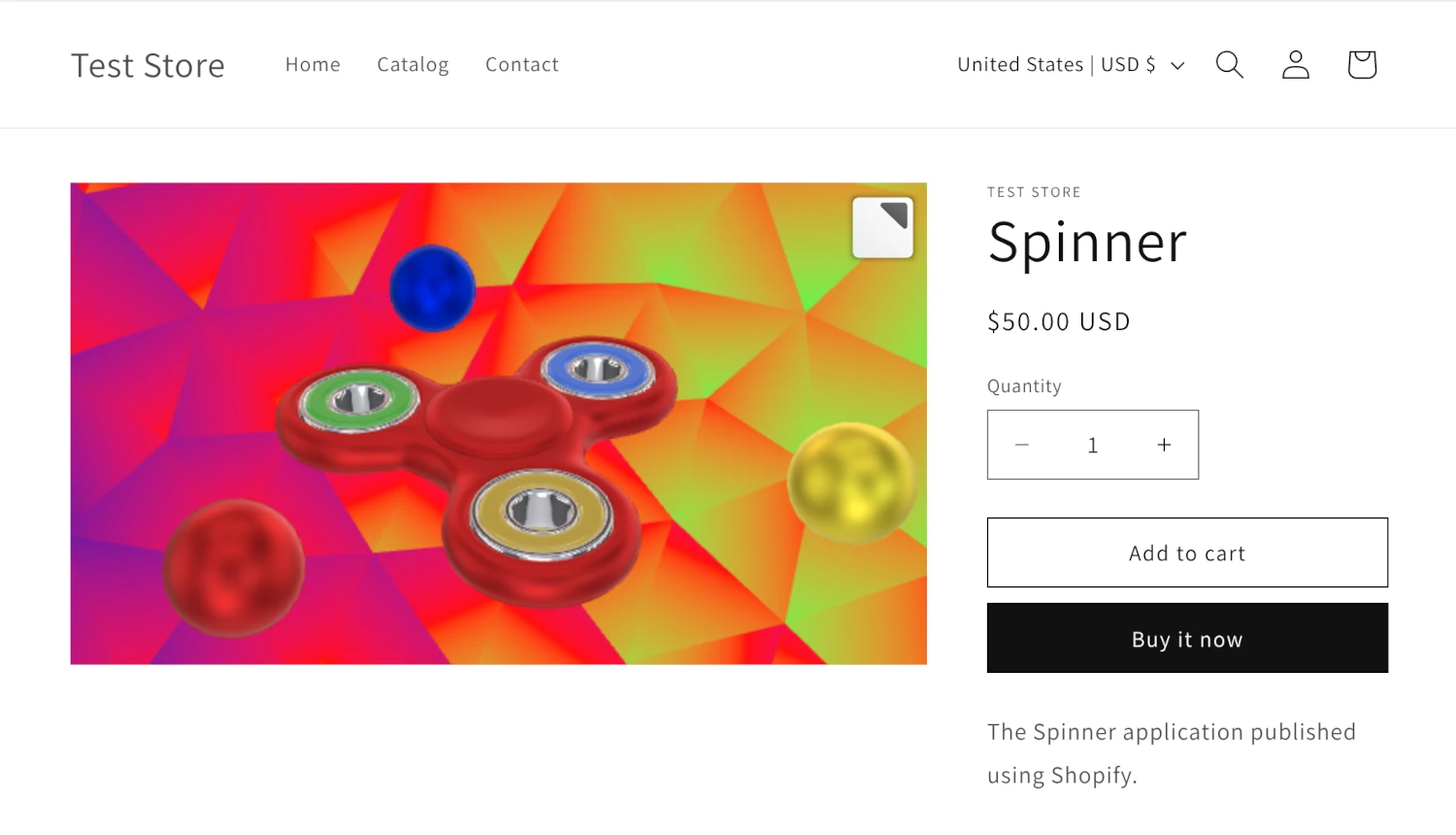
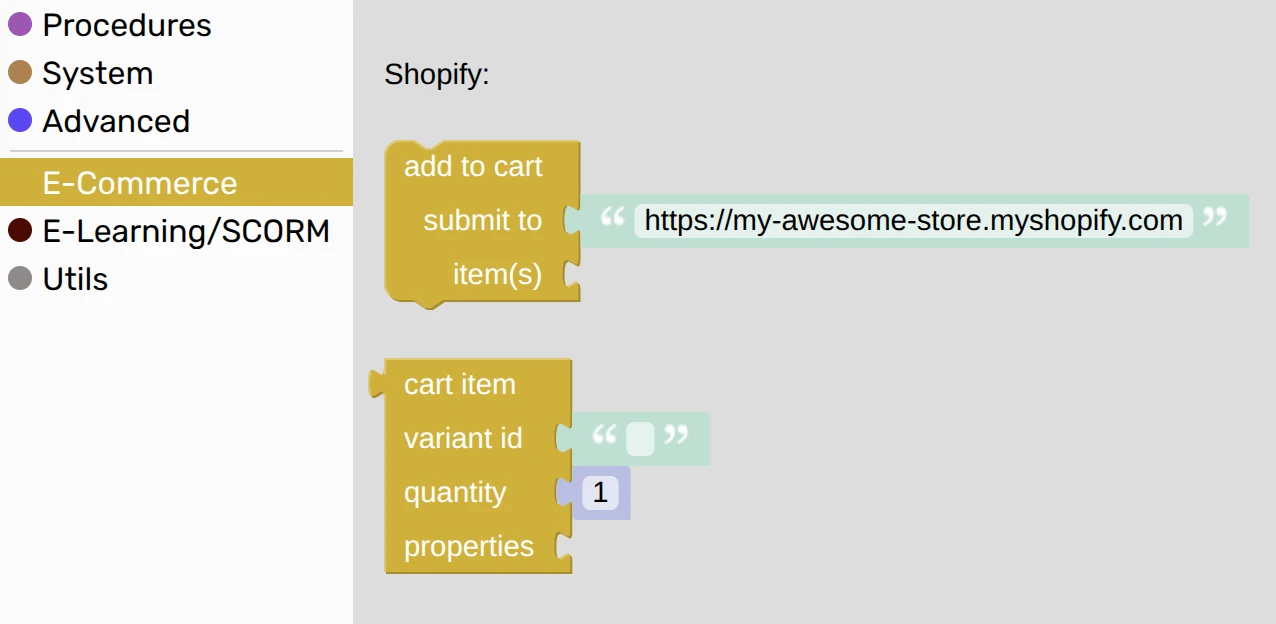
We added two new puzzles to the E-Commerce plugin – add to cart and cart item. You can use them to add configurable products to the cart.
Here is a simplistic usage example:
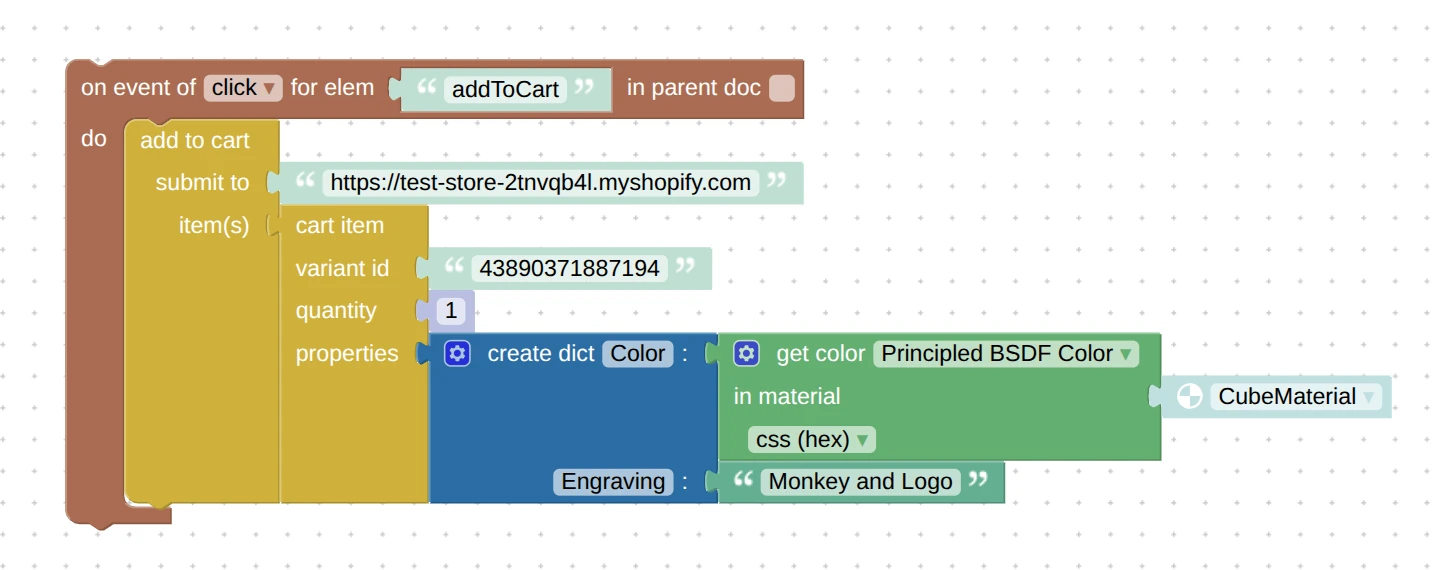
Please note that Shopify has a limitation that does not allow configurations to change the product price. However, for typical use cases, like colors/finishes/images/sizes/etc, this should not be a problem.
An important integration component, namely the theme app extension, is currently under review by the Shopify team. It would enable embedding Verge3D apps on product pages as app blocks, replacing product media with a Verge3D rendering, and adding configurable products to a cart with Puzzles. We also plan to make a code-based solution available as an alternative to this Shopify extension.
Demo Applications
We started reworking our existing demo apps with the goal of providing newcomers with easy-to-learn, reusable Verge3D content. We intend to migrate away from Webflow, a third-party design tool, and recreate the UI layout exclusively with HTML puzzles by leveraging modern web technologies. Our first efforts resulted in a reduced number of puzzles and clarified logic structure, thus making the scenarios more understandable and fit for learning.
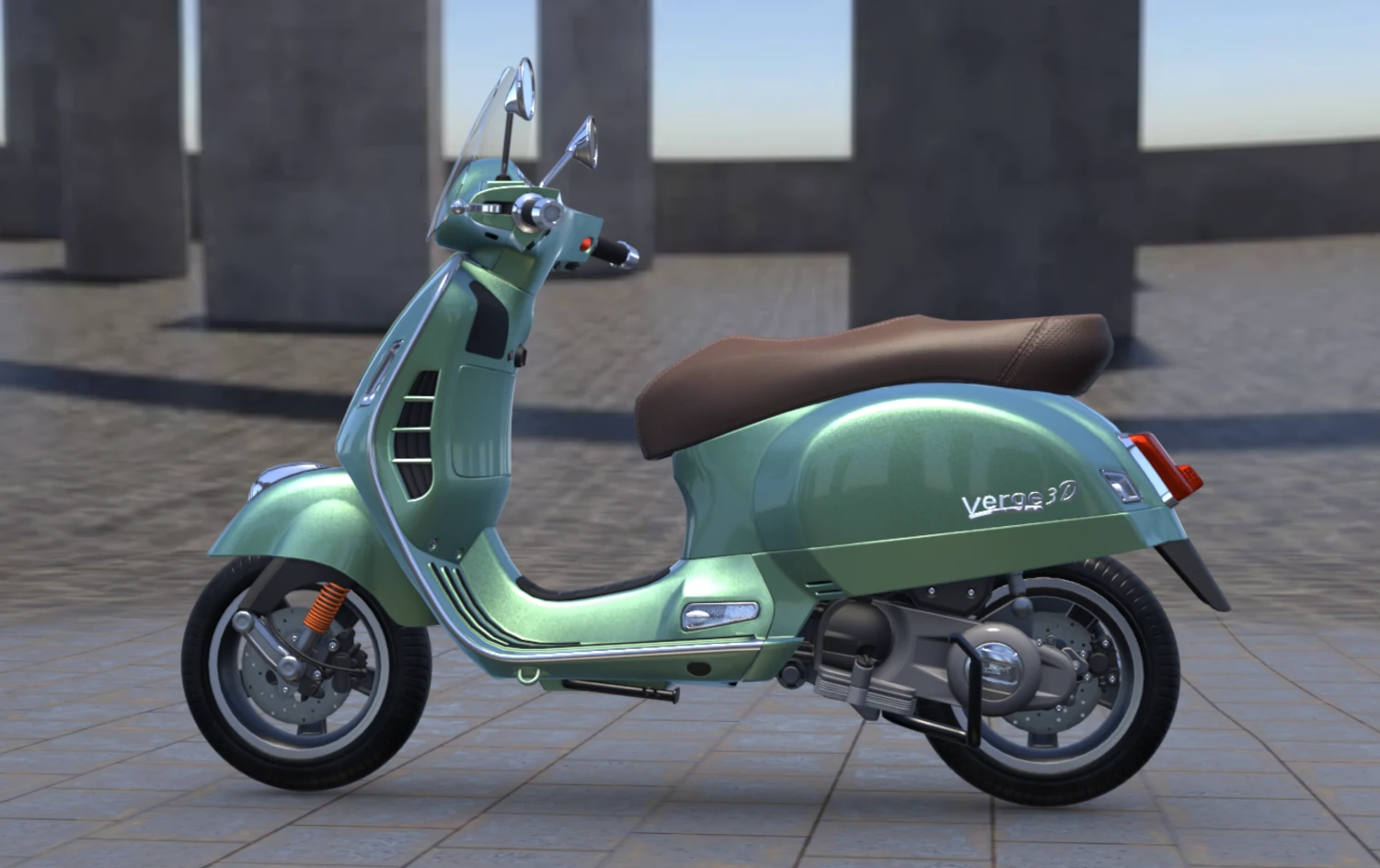
Particularly, in our flagship Scooter demo, we grouped the puzzles into tabs according to their functionality, providing them with detailed comments. Among other new features are:
- scrollable side panels for both desktop and mobile systems
- added new city-themed environment (see screenshot)
- removed iframe so it is a single-page app now
- tweaked and improved materials for Blender, 3ds Max, and Maya versions
- improved rendering performance
- textures converted to the highly efficient WebP format
- and other minor tweaks.
So far, we applied the same procedure to the Industrial Robot and Recliner demos as well.
Upgrade to WebGL 2.0
Almost all current hardware supports this advanced Web 3D standard now. Indeed, NVIDIA, Radeon, and Intel hardware has been supporting WebGL 2.0 for 15 years, while mobile devices could use it since 2014. The only reason why we hesitated to drop WebGL 1.0 earlier was the older Apple devices, like iPhone 5S and iPhone 6. Those cannot run Safari 15 which is the minimum requirement for WebGL 2.0. Since these devices are generally retired, we decided it is time to say goodbye to WebGL 1.0, and thus pave the way for remarkable new possibilities.
For now, we have initiated a full revision of rendering code, removing many compatibility hacks that bloated the code and possibly caused some glitches. Almost all shader programs have seen a major upgrade to the more advanced features of WebGL 2.0. As a result, we accelerated the rendering, made the Verge3D apps start earlier thanks to faster shader compilation, and reduced the memory footprint by using the more efficient texture and render buffers.
We updated both the User Manual and Developer Reference to reflect the above-mentioned improvements.
Blender Integration
This update introduces preliminary support for Blender 5.3 which is currently in the alpha stage.
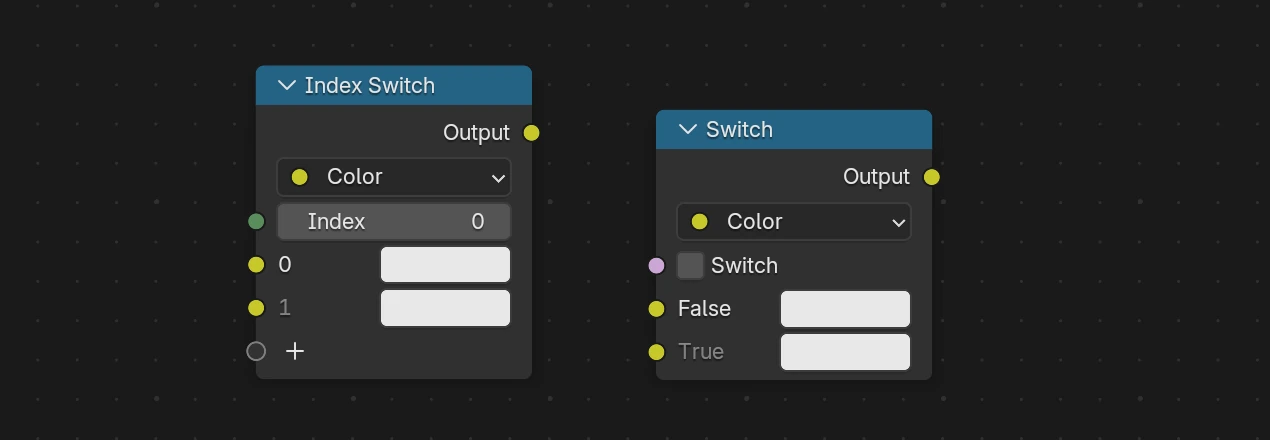
We supported several new nodes introduced in Blender 5.3. Those are Index Switch and Switch used to modify the materials depending on integer or boolean input value.
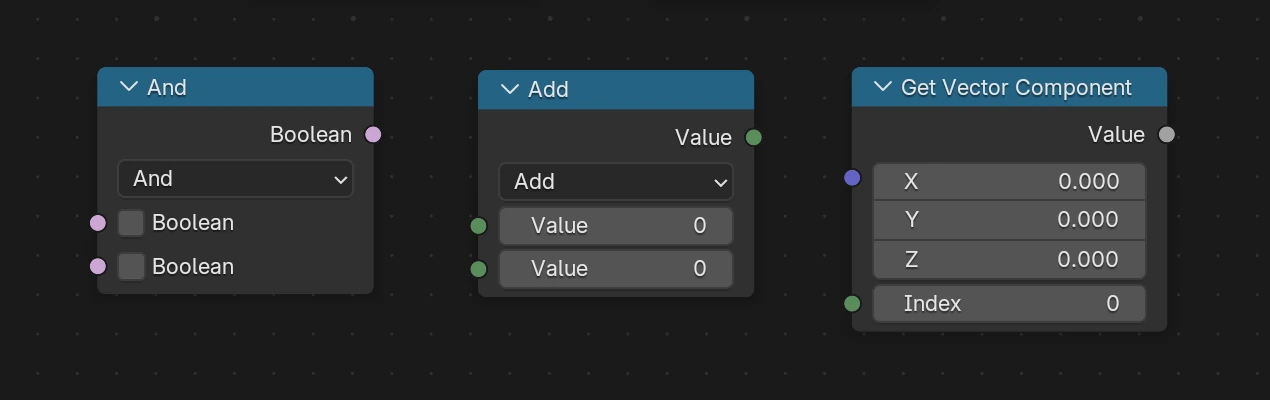
Other new nodes Boolean Math, Integer Math, and Get Vector Component extend arithmetical and logical functionality of material shaders.
We also added stubs for the new String nodes to prevent them from crashing.
In other news, the Blender extension now more precisely detects what Blender version it is compatible with.
Finally, we fixed the exporter crash during animation baking if an animated armature is not present in the active view layer. We have also made animation baking slightly faster and provided feedback about its results in Blender console.
Puzzles
The important puzzle export to USDZ (the one used for AR on iOS) received major improvements.
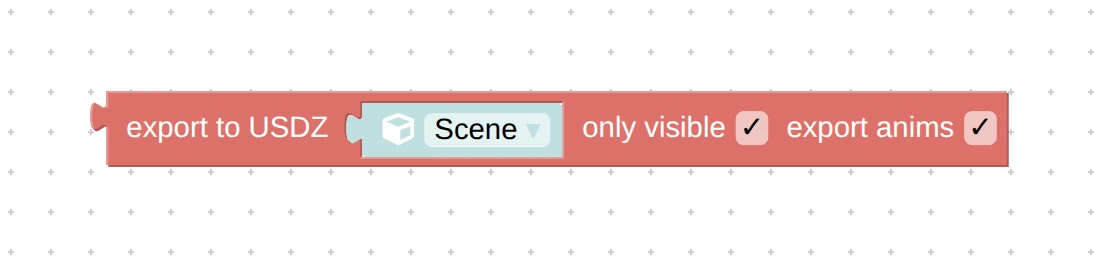
First of all, it now supports object transform animation (that is, of position, rotation, and scale) for which we added a new checker, export anims. It now also supports scaling factors for normal mapping and better handles material transparency. We added another checker, only visible, to make it correspond to the export to glTF puzzle.
Finally, we fixed the issue with using non-alphanumeric symbols in object names – thanks for bringing this up on the forums.
The puzzle call method + postMessage now works properly thanks to a fixed cross-origin issue when sending message to a parent element from an embedded Verge3D app. To remind you, this is a typical case where the 3D part must interact with the parent page located on a different domain.

RAL Colors
RAL is a premier global standard for color communication in architecture, construction, manufacturing, and industrial design. With this Verge3D update, you can now use both RAL codes and color names to convert to and from RGB color values.
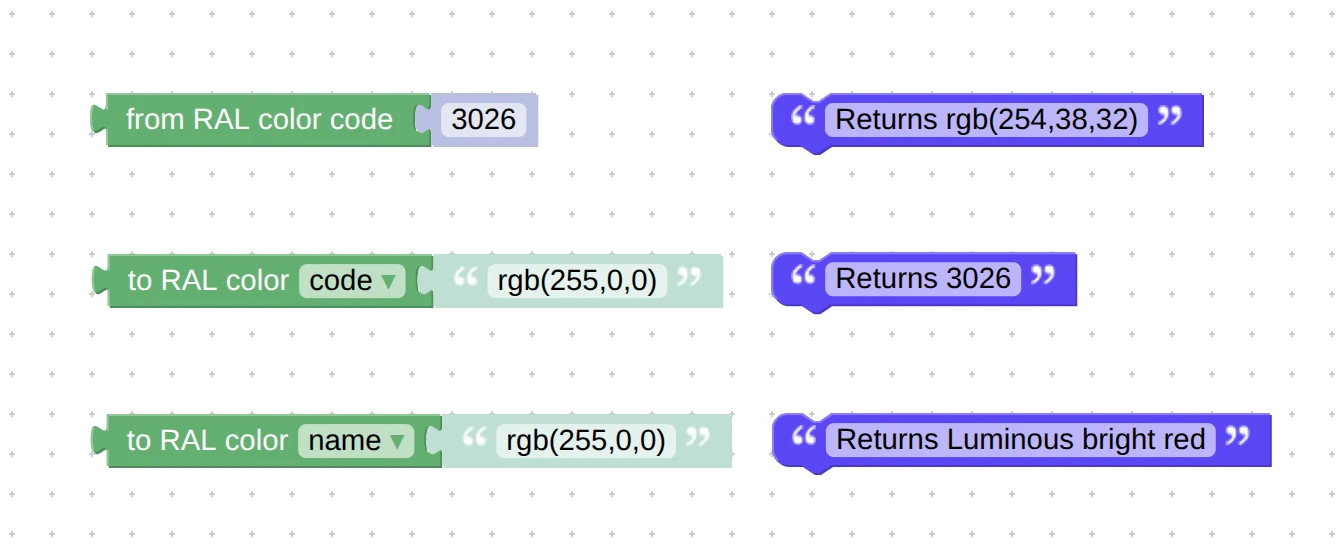
The puzzle from RAL color code returns RGB color that can be passed to set material color puzzle or assigned to HTML elements. The second puzzle, to RAL color code / name tries to select the most suitable color from the RAL Classic palette consisting of 216 entries, and returns its 4-digit code or human-readable name.
Firebase Integration Guide
This one is important, so we repeat it here in case you missed the post in our social media. Let’s say your project requires something beyond interactive 3D graphics, such as saving data or files to a customer account, handling user inquiries, integrating with some existing infrastructure (e-commerce, CRM, ERP, CPQ, e-learning), and whatnot.
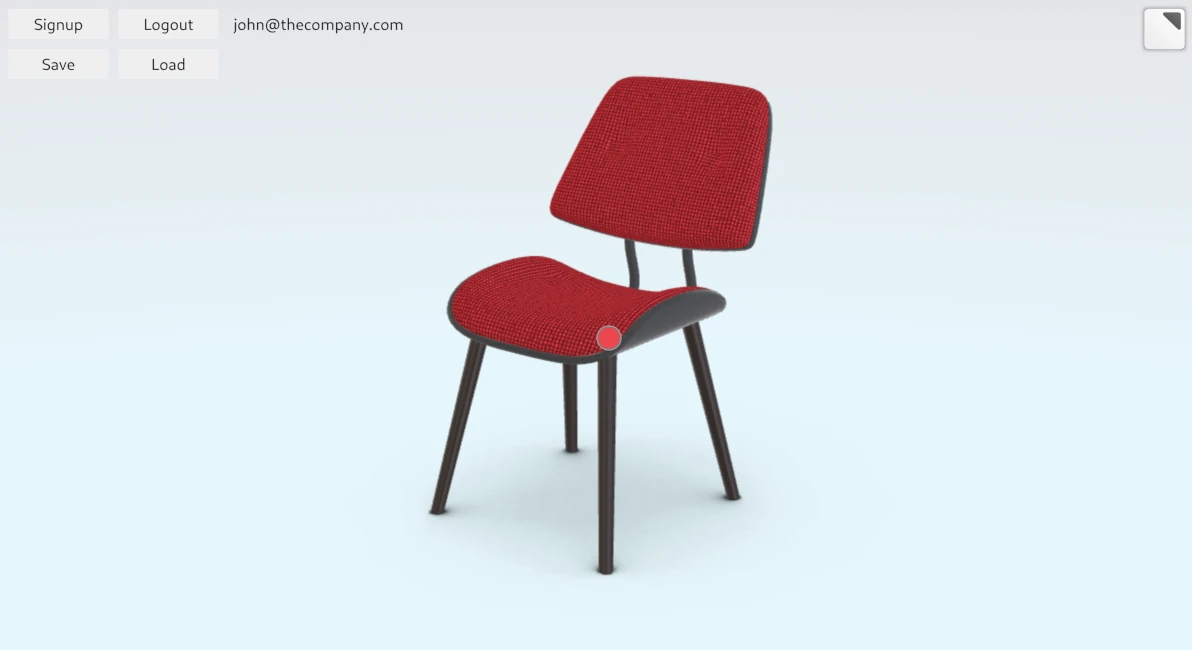
In this year’s releases, we focused on solving this problem. We provided means to connect Verge3D apps to systems known as Backend-as-a-Service (BaaS), with Google’s Firebase being the most prominent example. Check out this guide that explains how to make a simple furniture configurator that saves customizations to user accounts.
Other Improvements
In the WordPress plugin, we decided to remove the downloadable products feature and PayPal payments, which were rarely used and prone to security issues. Both features can be perfectly replaced by our WooCommerce integration module and by the PayPal puzzle. We also fixed some issues with the plugin that were found through third-party code security audits.
Finally, we removed various compatibility hacks from exporters and engine runtime which are no longer relevant to the current version of Verge3D.
2026-09-24 at 6:01 am #88479Yuri KovelenovStaff -
AuthorPosts
- You must be logged in to reply to this topic.